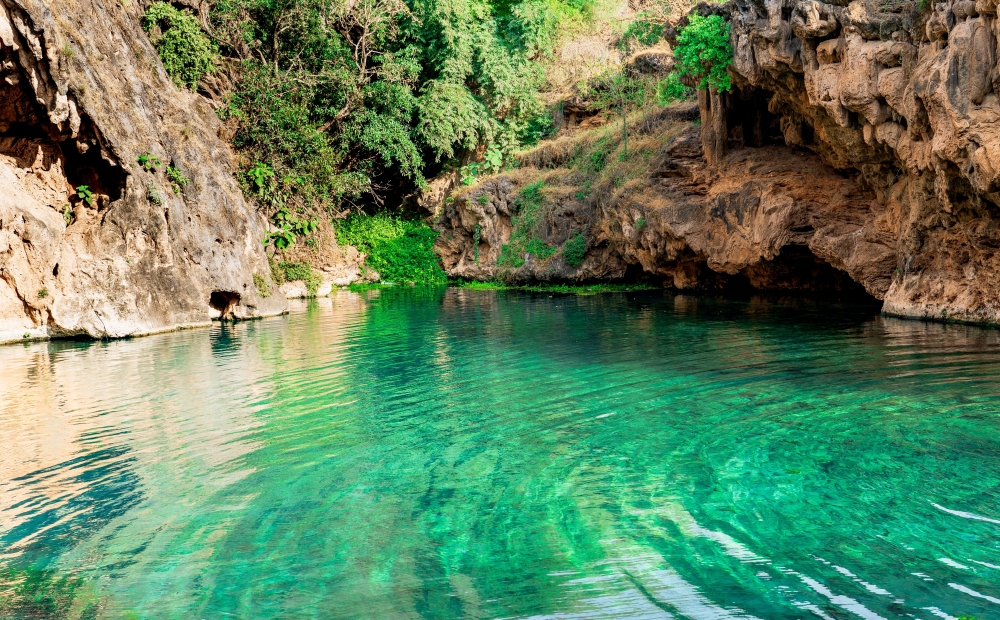





'A significant portion of this water does not simply flow away. Instead, it infiltrates through fractures and porous rock layers, where it is naturally stored underground.' Al Muathir al Kindi,Geological explorer -
Long before water emerges through an aflaj channel or flows from a mountain spring, it begins an invisible journey deep beneath Oman’s rugged landscapes.
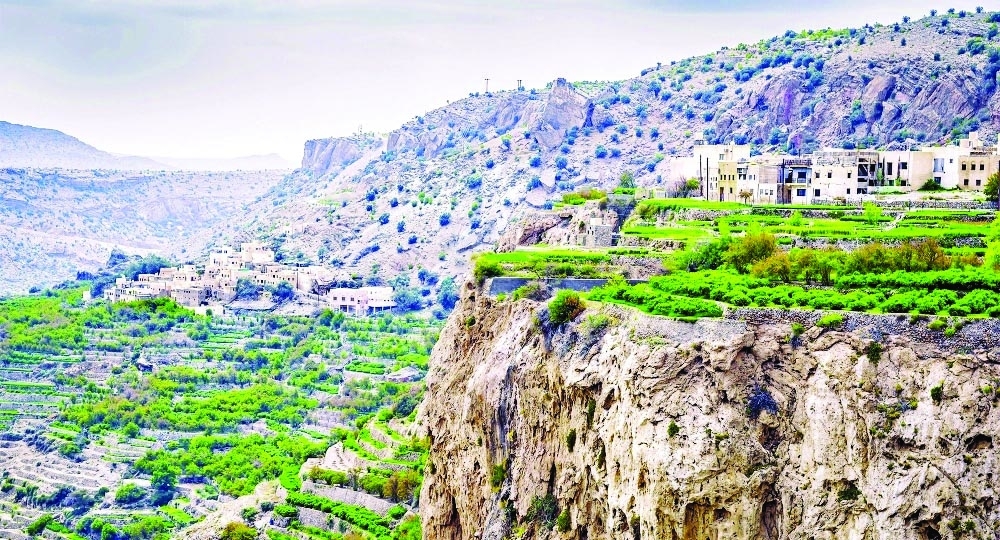
Hidden beneath the dramatic peaks of Al Jabal Al Akhdhar, Jabal Shams and the Al Hajar Mountains lies a remarkable natural water system that has sustained communities, agriculture and ecosystems for centuries.
Although Oman is often associated with arid landscapes and limited rainfall, its mountains play a vital role as natural reservoirs — capturing, storing and gradually releasing water that supports life across the Sultanate.
According to Omani geological explorer Al Muathir al Kindi, the process begins high above the valleys.
“When moisture-laden clouds collide with the steep slopes of the Al Hajar Mountains, they cool and produce rainfall,” he explains. “A significant portion of this water does not simply flow away. Instead, it infiltrates through fractures and porous rock layers, where it is naturally stored underground.”
These geological formations function like giant natural sponges. Rainwater seeps through cracks and channels formed over millions of years, gradually replenishing underground aquifers. The stored water then moves slowly through the rock before eventually emerging through springs, aflaj systems and wells.
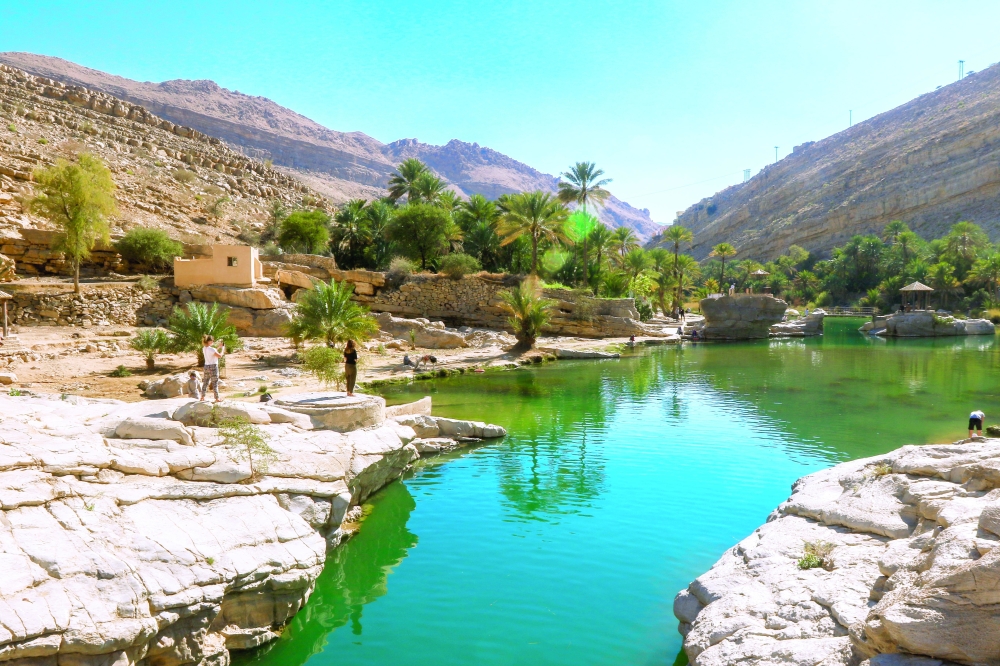
This underground storage is especially important in a country where rainfall is seasonal and unevenly distributed.
The higher elevations of Al Jabal Al Akhdhar and Jabal Shams receive greater rainfall compared with surrounding areas due to their altitude and ability to encourage cloud formation. These mountains therefore serve not only as dramatic landscapes but also as essential natural systems that regulate and sustain water availability.
The connection between geology and water is deeply linked to Oman’s cultural heritage. For generations, Omanis have relied on aflaj — sophisticated irrigation networks that transport groundwater to farms and villages. While these systems are celebrated as examples of traditional engineering, their existence depends on the unique geological conditions created by the mountains.
Al Kindi explains that fractured rock formations and elevated terrain allowed early communities to establish settlements where groundwater could be accessed sustainably.
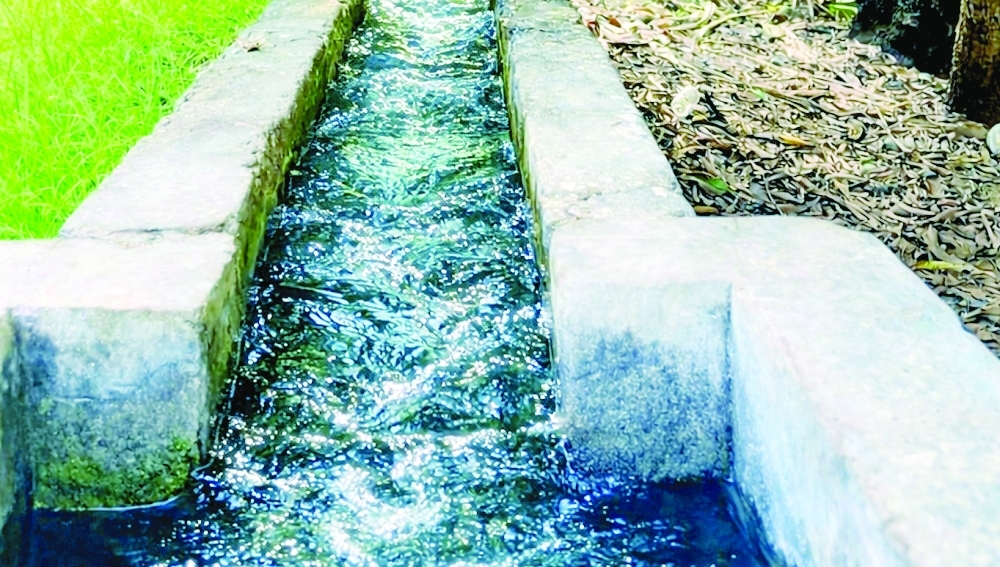
These natural advantages supported terraced agriculture and transformed steep mountain slopes into productive landscapes.
The terraces of Al Jabal Al Akhdhar remain a striking example. Nourished by springs and aflaj, they continue to support the cultivation of roses, pomegranates, apricots, peaches, figs and apples. Each flowing channel represents a partnership between nature’s geological processes and centuries of human adaptation.
However, this delicate underground system faces growing pressures.
Climate change is among the most significant long-term challenges. Reduced rainfall can limit groundwater recharge, placing additional pressure on springs and aflaj systems that communities continue to depend on. At the same time, excessive groundwater extraction risks reducing reserves faster than nature can restore them.
Human activity can also affect these fragile environments. Unsustainable excavation, disruption of natural drainage pathways and landscape changes may alter the movement of water beneath the surface.
Protecting Oman’s mountains, therefore, is about more than preserving their spectacular beauty. It means safeguarding a natural water infrastructure that has operated quietly for thousands of years.
Every drop flowing through an aflaj, nourishing a mountain terrace or emerging from a spring carries the same message: Oman’s water story begins deep within its ancient rocks.
Beneath the mountains lies an unseen world where geology, climate and water work together in remarkable harmony — a reminder that some of nature’s greatest achievements are those that remain hidden from view.
Oman Observer is now on the WhatsApp channel. Click here